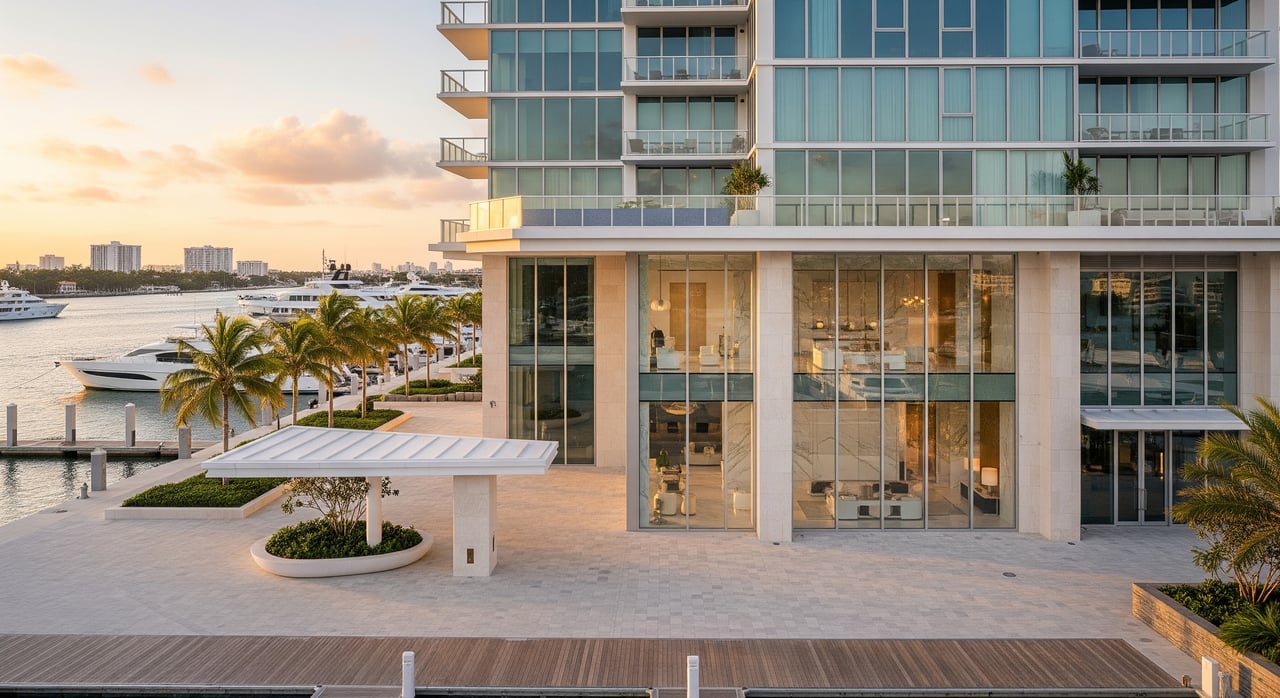
Are you eyeing a Miami condo and hearing the terms warrantable and non‑warrantable? You are not alone. These labels shape your financing options, timelines, and total cost, and they also influence resale potential. In this guide, you will learn what each term means, how lenders evaluate Miami buildings, and what steps help you close with confidence in today’s market. Let’s dive in.
Warrantable vs non‑warrantable
Warrantable basics
A warrantable condo is a building that meets the project eligibility standards used by major mortgage investors such as Fannie Mae and Freddie Mac. When a project is warrantable, lenders can offer conventional conforming loans using standard programs. That usually means broader loan availability, more flexible down payments, and more predictable timelines.
Non‑warrantable basics
A non‑warrantable condo is a building that falls short on one or more investor criteria at the project level. Conventional conforming loans typically are not available. Financing can still be possible through portfolio lenders, specialty condo lenders, private financing, or FHA/VA only when the project holds the required approval. Expect higher down payments, higher rates, and more documentation.
Why warrantability matters
Warrantability affects your interest rate, minimum down payment, fees, and underwriting speed. It also impacts your future buyer pool and resale liquidity because fewer lenders will finance units in non‑warrantable buildings. For many Miami buyers and investors, knowing a building’s status early helps set realistic expectations on cost, timing, and strategy.
What lenders review in Miami condos
Owner‑occupancy and rental rules
Many investors prefer a majority owner‑occupied mix. Lenders look at owner‑occupancy levels and at association rules on leasing, including any short‑term rental restrictions. A high share of investor‑owned or transient rentals can increase project risk.
Single‑entity concentration
Lenders limit how many units a single person or entity can own to avoid concentrated control of the association. If a developer, bulk buyer, or fund holds a large share of units, a project can be deemed non‑warrantable.
Commercial or hotel components
Mixed‑use projects with significant retail, hotel, or commercial space receive extra scrutiny. If non‑residential space exceeds common thresholds used by investors, eligibility can be affected.
Delinquencies and assessments
High HOA delinquency rates or frequent special assessments raise red flags. Lenders review dues payment histories and any announced or pending special assessments to gauge financial health.
Reserves and budget strength
Healthy reserve funding and a realistic operating budget are essential. Lenders often ask for the current budget, reserve balances, and any reserve studies or meeting minutes showing transfers or planned repairs.
Master insurance and wind/flood coverage
In Miami‑Dade, lenders closely review the association’s master policy, including windstorm coverage, flood insurance where required, policy limits, and deductibles. Gaps, exclusions, or unusually high deductibles can cause eligibility issues.
Litigation exposure
Active lawsuits involving construction defects, safety, or association governance can make a project ineligible. Lenders may request a litigation summary or a letter from counsel to understand scope and risk.
Project completion and legal docs
Clear recorded declarations and bylaws, finished construction, and consistent plats and surveys are expected. Conversions, projects still under developer control, or inconsistent documents can hinder approvals.
Construction condition and recertifications
For older Miami high‑rises, lenders ask about structural inspection reports and local recertifications. After Surfside, recertification status, engineering findings, and any required repairs weigh heavily in underwriting and insurance availability.
Miami realities that affect approvals
Recertification and inspections after Surfside
Local building recertification programs and structural safety reviews are central in Miami‑Dade. Since the 2021 Surfside collapse, lenders, insurers, and associations have focused more on concrete restoration, structural reports, and compliance with local inspection timelines. Pending major repairs or failed inspections can delay or prevent financing.
Insurance costs and coverage in coastal zones
Property and windstorm insurance costs have risen in Florida coastal markets, and coverage terms can shift. Higher deductibles and policy limitations are common and can affect both lender reviews and your monthly budget. Flood insurance is typically required when units are in mapped flood zones.
Investor mix and short‑term rentals
Miami’s global appeal draws investors and interest in short‑term rentals. Associations often restrict short‑term rental activity, which shapes investor demand and owner‑occupancy ratios. Lenders consider both the current rental mix and the rules that govern it.
Flood and coastal risk
Sea‑level rise, storm surge, and flood‑zone mapping are part of routine due diligence. Lenders evaluate flood exposure and insurance requirements alongside the association’s master policy to assess project risk.
Financing paths: what to expect
Warrantable condo financing
- Availability: Conventional conforming loans from lenders that sell to Fannie Mae or Freddie Mac are common when a project qualifies.
- Down payment: Options can start as low as 3% for certain eligible borrowers and programs, and often range from 5% to 20% depending on occupancy and loan type.
- Pricing and speed: Rates and fees are typically lower than for non‑warrantable loans, and underwriting tends to be faster because standard guidelines apply.
Non‑warrantable options
- Availability: Conventional conforming loans are generally not available. Alternatives include portfolio loans from banks or credit unions, specialty condo lenders, and private financing. FHA/VA may be possible only if the project itself carries the required approval.
- Down payment: Many lenders require at least 15% to 30% down, with 20% often cited as typical. Investor loans may require more.
- Pricing and terms: Expect higher rates by several tenths to a full percentage point or more, plus higher fees or points. Lenders may set stricter loan‑to‑value caps, debt‑to‑income thresholds, or reserve requirements.
FHA and VA in condos
- FHA: Can allow 3.5% down for eligible borrowers, but only if the condo project is FHA‑approved. Approval is separate from unit eligibility and can take time.
- VA: Can offer 0% down for qualified veterans when the condo project is VA‑approved.
- Both programs review project financials, insurance, occupancy, and litigation. They do not override material building deficiencies.
Buyer checklist for Miami condos
- Start lender conversations early. Work with lenders experienced in Miami high‑rises and ask for their condo questionnaire and document list for the association.
- Request HOA documents immediately. Gather the declaration, bylaws, recorded plats, current budget, year‑to‑date financials, reserve study, reserve balances, insurance declarations page, meeting minutes, owner list, rental schedule, and a litigation summary.
- Confirm recertification and engineering reports. Verify that the building is current on required local recertifications and review any structural or engineering reports.
- Verify master insurance and flood exposure. Review policy limits, deductibles, and exclusions in the master policy. Determine flood zone status and likely flood insurance costs.
- Check owner‑occupancy and rental policy. Obtain the current owner‑occupancy percentage and the exact rental rules, including short‑term rental provisions.
- Ask about assessments and dues history. Identify recent or pending special assessments and how they are financed.
- Align financing to the building. If non‑warrantable is likely, line up a portfolio or specialty lender early and know your down payment and rate expectations.
- Engage local specialists. Consider a condo‑savvy mortgage professional and a real estate agent accustomed to Miami‑Dade underwriting, insurance, and recertifications.
Timeline and preparation
Document collection
Assembling the full association package can take time in large Miami high‑rises. Start requests as soon as you go under contract or even earlier if possible. Delays most often occur with engineering reports, insurance certificates, and litigation letters.
Appraisal and loan processing
If the project already appears on an investor or lender approved list, your loan can move faster. New reviews, missing documents, or open repair scopes can extend timelines by weeks. Build cushion into your closing date and lock period when a building has ongoing work.
Tips for sellers and current owners
If your building is non‑warrantable
Prepare early disclosures on rental policies, owner‑occupancy, assessments, insurance, and any engineering or recertification status. Buyers will ask, and lenders will verify. Clear, organized documentation helps maintain buyer confidence and streamlines financing conversations.
Make your unit easier to finance
Stay current on HOA dues. Keep copies of recent association budgets, insurance declarations, and any estoppel or resale certificates. If assessments exist, have details on amounts, timelines, and how repairs are funded. Small preparation steps can remove friction later.
Work with a local specialist
Miami condo financing is project‑driven and detail‑heavy. You will move faster and negotiate from a stronger position when you assemble documents early and choose lenders with deep local condo experience. If you want a plan tailored to your goals and the specific buildings you are considering, reach out for a one‑on‑one strategy session. Schedule a Free Consultation with Oguz Elyas to compare buildings, financing paths, and timelines.
FAQs
Can I get a conventional loan in a non‑warrantable Miami condo?
- Conventional conforming loans are generally not available; you will likely need a portfolio or specialty lender, FHA/VA only if the project is approved, or private financing.
How much more does non‑warrantable financing cost?
- Many borrowers face higher down payments of 15% to 30% and interest rates higher by several tenths to a full percentage point or more, plus potentially higher fees.
Are most Miami condos non‑warrantable after Surfside?
- No; scrutiny increased and some projects faced delays, but many Miami buildings remain warrantable when they meet standard criteria and have current inspections, reserves, and insurance.
How long does condo project approval take in Miami?
- If a project is already on an approved list, it can be quick; new reviews can take weeks to months depending on document completeness and any issues uncovered.
What documents matter most to lenders for Miami condos?
- There is no single document, but association financials, the master insurance declarations page, and an up‑to‑date estoppel or resale certificate often drive early decisions.