Shopping for a Lauder Gate Isles home with dockage? Choosing the right dock and understanding how slips and seawalls work can be just as important as the floor plan. You want easy access to the Intracoastal Waterway and ocean, but you also need safe, storm-ready infrastructure that fits your boat and lifestyle. In this guide, you will learn the differences between fixed and floating docks, how slip assignments work, what to check on seawalls, typical fees, and a practical checklist for touring homes near the Fort Lauderdale ICW. Let’s dive in.
Fixed vs floating docks in Fort Lauderdale
Fixed docks: what to know
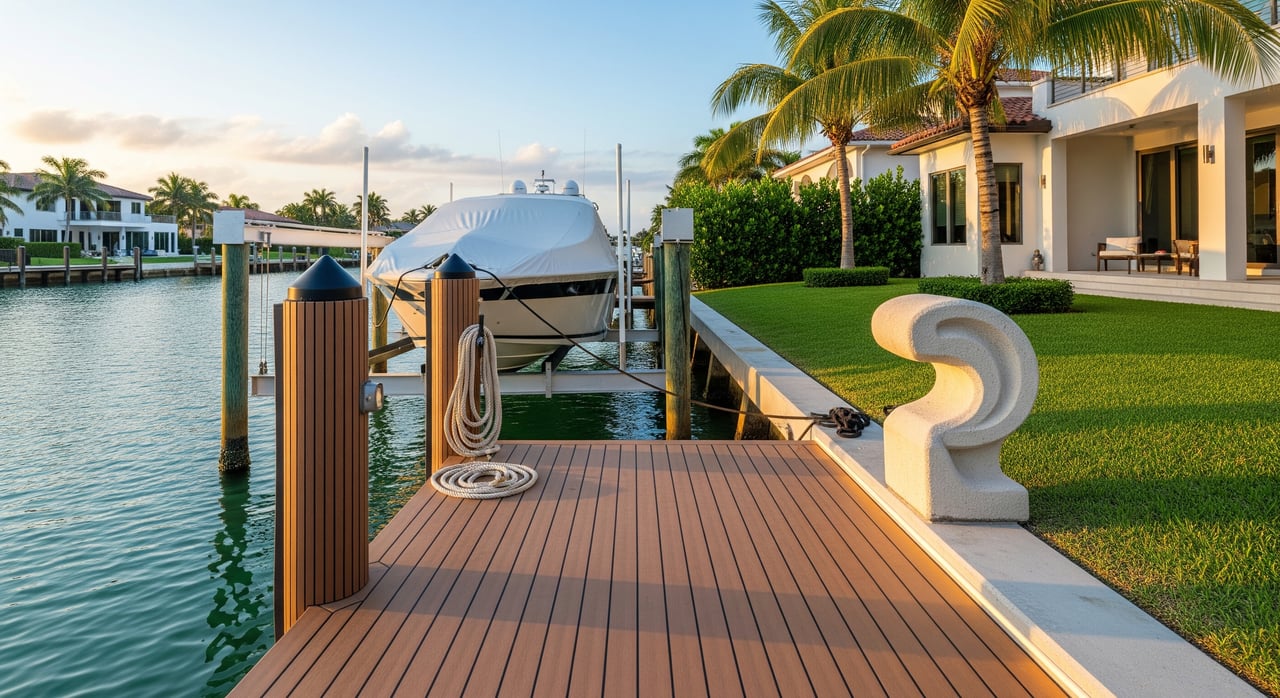
Fixed docks are built on pilings driven into the seabed with decking that stays at one height above the water. They feel solid underfoot and are often convenient for shore power, water, and heavier gear. In the Fort Lauderdale ICW environment, they must be engineered for hurricane loads and scouring at the seabed.
The tradeoff is adaptability. Fixed docks do not adjust with king tides or storm surge, and piles can be stressed by debris and wave action. Repairs and pile replacement often require marine contractors and permitting.
Floating docks: what to know
Floating docks rise and fall with the water, supported by floatation modules and anchored to shore or pilings. This design helps keep boarding heights consistent during normal tides and can reduce certain surge stresses because the dock can ride upward with water levels.
Motion is the main consideration. In busy ICW corridors with heavy wakes and seasonal traffic, floating docks can move more, which may complicate boarding. Floats can degrade from UV, impacts, or debris and may need periodic replacement. Proper anchoring and design are essential in areas with strong wakes and storm exposure.
Which dock type fits your slip
Match the dock to your site conditions and how you plan to use it. Consider depth, bottom type, average wakes, bridge clearances, and whether you prioritize a solid platform or flexibility with water-level changes. Local HOA or municipal rules can dictate what is allowed, so confirm requirements before deciding. For risk planning, ask how the structure can be secured, removed, or reinforced before a storm.
Slip ownership and HOA rules
How slips are assigned or transferred
You will see a few models near Lauder Gate Isles and along the ICW:
- Deeded or assigned slips that convey with a property
- Slips managed by an HOA or marina, sometimes transferable with approval
- Leased slips on month-to-month or annual terms
- Guest or transient slips with separate rules and reservation policies
- Shared systems or waiting lists for limited slip inventory
Documents to review before you offer
Check the deed, title, and public records to confirm whether a slip conveys. Review HOA or condo CC&Rs, bylaws, slip assignment policies, guest rules, size and draft limits, and any insurance requirements. Confirm that the dock and any past repairs have the proper municipal, county, state, and federal permits. Unpermitted work can complicate closings and future repairs.
Key questions for sellers and managers
Ask whether the slip conveys with the sale, what size limits apply, and whether there is a history of reassigning slips within the development. Request any maintenance history and ask about pending special assessments for docks or seawalls. If slips are leased, find out renewal terms and any waiting lists.
Seawalls: condition and permits
Common failure signs to watch
Seawalls in Broward vary from concrete panels to steel sheet piles and older timber bulkheads. Warning signs include tilting or leaning, cracks or separated panels, settlement on the land side, exposed toe scouring, tieback failure, and displaced caps. Visible voids behind the wall can signal undermining.
Permits, agencies, and responsibility
Seawall repairs and replacements often require approvals at multiple levels, including city or county permits, Florida Department of Environmental Protection authorizations for sovereign submerged lands, and U.S. Army Corps of Engineers permits for navigable waters. For single-family homes, the owner is typically responsible for maintenance, while shared walls in some developments can fall under an HOA. Verify past permits and as-built documents.
How to evaluate a seawall
Request a recent inspection by a qualified marine or structural engineer. Check public permit records for installation or repair history. Confirm the top-of-wall elevation relative to docks and walkways to assess overtopping risk from king tides and storm surge. Ask for maintenance logs and any warranties if work is recent.
Dockage fees and ongoing costs
Common fee categories
Budget for slip ownership transfer fees, slip rental or lease charges, and HOA or marina assessments for dock and seawall upkeep. Many communities use routine dues plus special assessments for major capital work. Factor in metered electricity and water for shore power, guest or transient fees, and any permit or inspection costs if you plan modifications.
Pricing patterns near the ICW
Dockage rates vary widely with slip size, location, and amenities along the Fort Lauderdale ICW. Premium homes with private slips typically command higher value, and maintenance for docks and seawalls is a major variable expense. Ask for current fee schedules and historical assessments before you offer.
Buyer checklist for Lauder Gate Isles
Site and structural
- Identify the dock type and materials, and note approximate age.
- Confirm slip size, usable length, and beam clearance between pilings.
- Ask for recent depth soundings at mean low water and mean low low water, and verify safe draft.
- Note fixed bridge clearances on your route to the ocean and whether your air draft fits.
- Look for deck rot, loose fasteners, cracked concrete, float degradation, and scouring at pilings.
- Inspect the seawall for tilt, cracks, settlement, or voids. Request the latest engineer report.
- Verify utilities: shore power specs, water, lighting, and any data lines.
Legal, ownership, and permitting
- Confirm in writing whether the slip conveys with the deed.
- Review HOA CC&Rs, bylaws, slip policies, guest rules, and maintenance obligations.
- Verify permits and approvals for both dock and seawall at city, county, state, and federal levels.
- Check for any encroachments or neighbor disputes.
Operations and lifestyle
- Clarify slip access, parking, and whether you have a private ramp or shared walkway.
- Understand ICW access, distance to Port Everglades Inlet, and typical traffic or wake conditions near the slip.
- Review storm procedures for securing or removing boats during hurricanes, and identify nearby hauling options.
- Confirm any insurance requirements for the slip or seawall.
- Ask about guest docking rules and any limits on liveaboard use.
Financials and ongoing costs
- Request current and historical assessments for docks and seawalls.
- Confirm slip rental or transfer fees and waiting list details, if any.
- Ask how utilities for shore power and water are billed and metered.
- Get quotes from licensed marine contractors for any major repair items you identify before proceeding.
Next steps near Lauder Gate Isles
Start document review early so you have time to vet slip rights and permitting. Arrange a marine-structure inspection and a seawall engineer report to surface high-impact risks before you write an offer. Verify depths with recent soundings, check bridge clearances, and confirm hurricane plans and hauling capacity for your boat.
Coordinate preliminary insurance quotes that reference dock and seawall condition. Ask your agent to obtain repair histories and any pending assessments. With a clear picture of the infrastructure, you can write a confident offer that aligns with your boating plans and risk tolerance.
Ready to evaluate homes with dockage near Lauder Gate Isles with a clear plan? Connect with Oguz Elyas to align the right property, documents, and timeline to your lifestyle.
FAQs
What is the difference between fixed and floating docks in Fort Lauderdale?
- Fixed docks stay at a set height on pilings and feel solid for loading, while floating docks rise and fall with water levels, offering easier boarding during tides but more motion in busy ICW traffic.
How do HOA slip assignments usually work near Lauder Gate Isles?
- Slips may be deeded, assigned by the HOA, leased, or shared via waiting lists, and transfers often require association approval, size compliance, insurance, and adherence to community rules.
What should I look for in a seawall inspection in Broward County?
- Look for tilt, cracks, settlement, scouring, and tieback issues, verify permits and as-builts, confirm top-of-wall elevation against surge and king tides, and review maintenance records and warranties.
Are floating docks better for king tides and storm surge?
- Floating docks adjust with water levels, which can help with tidal changes and some surge conditions, but they still require proper anchoring and can experience more motion and debris impacts.
What fees should I budget for private dockage near the ICW?
- Plan for slip transfer or rental fees, HOA or marina assessments, metered shore power and water, guest fees, insurance requirements, and potential permitting and inspection costs for modifications.
Who issues permits for dock or seawall work in Fort Lauderdale?
- Expect to coordinate with city or county permitting offices, the Florida Department of Environmental Protection for sovereign submerged lands, and the U.S. Army Corps of Engineers for work in navigable waters.