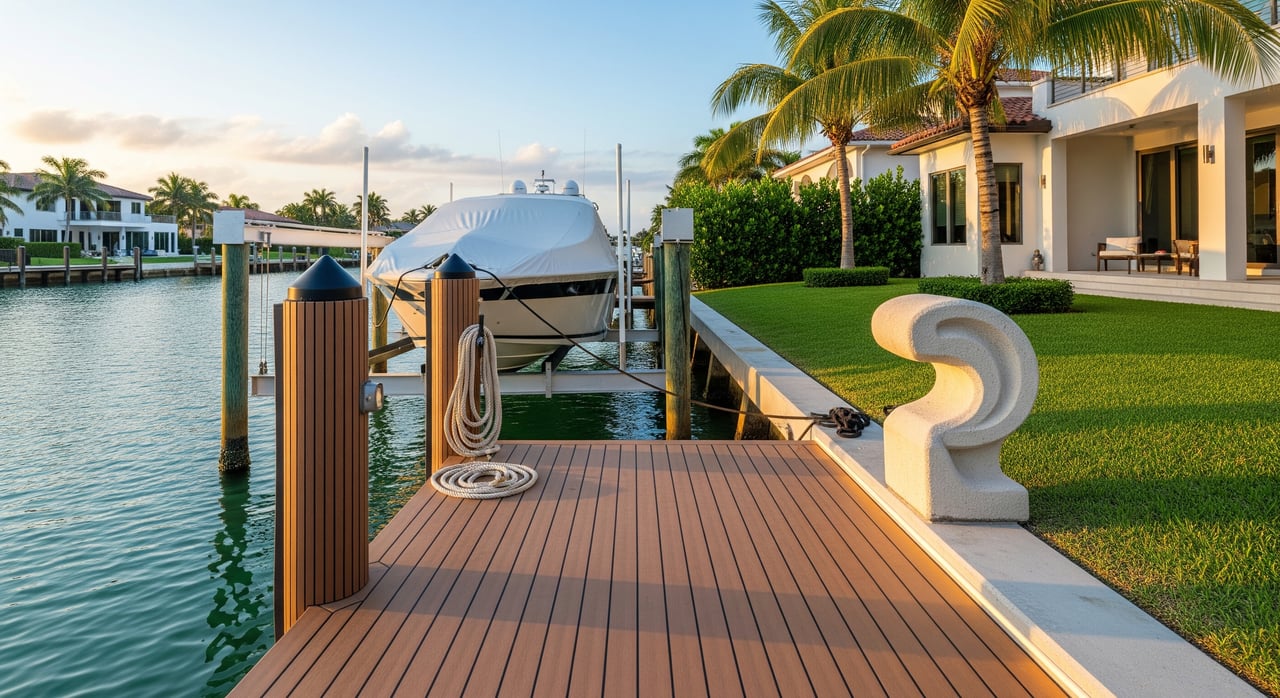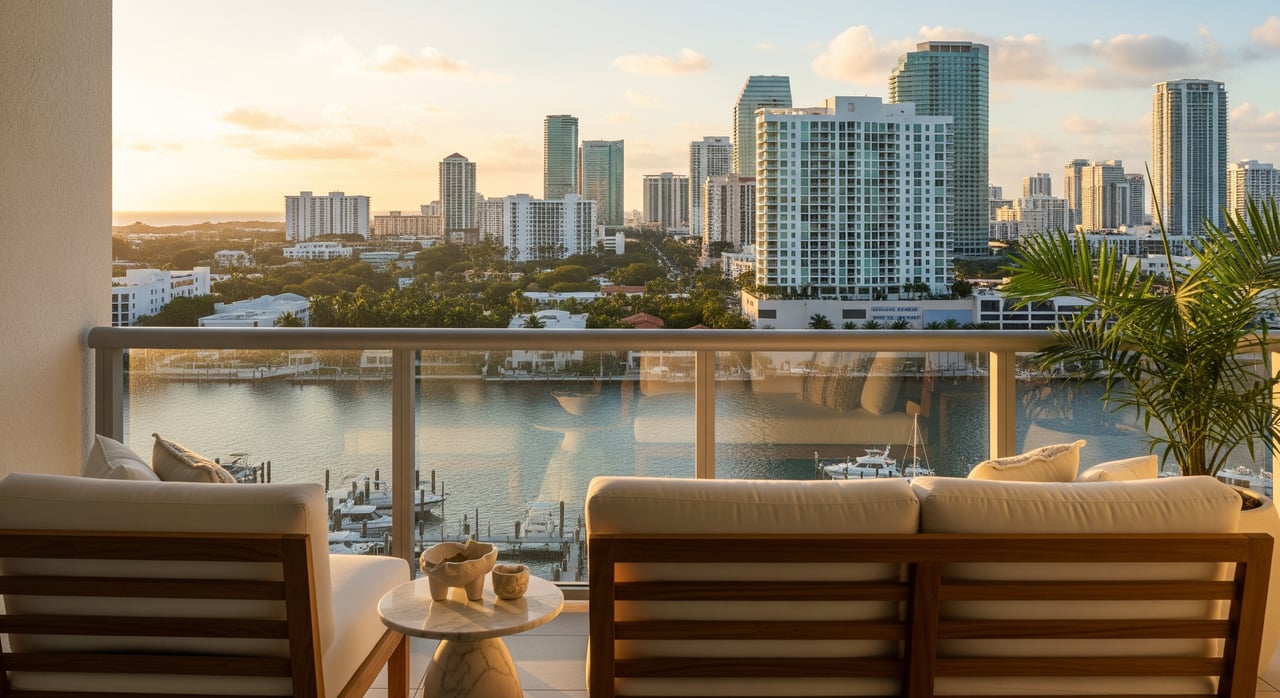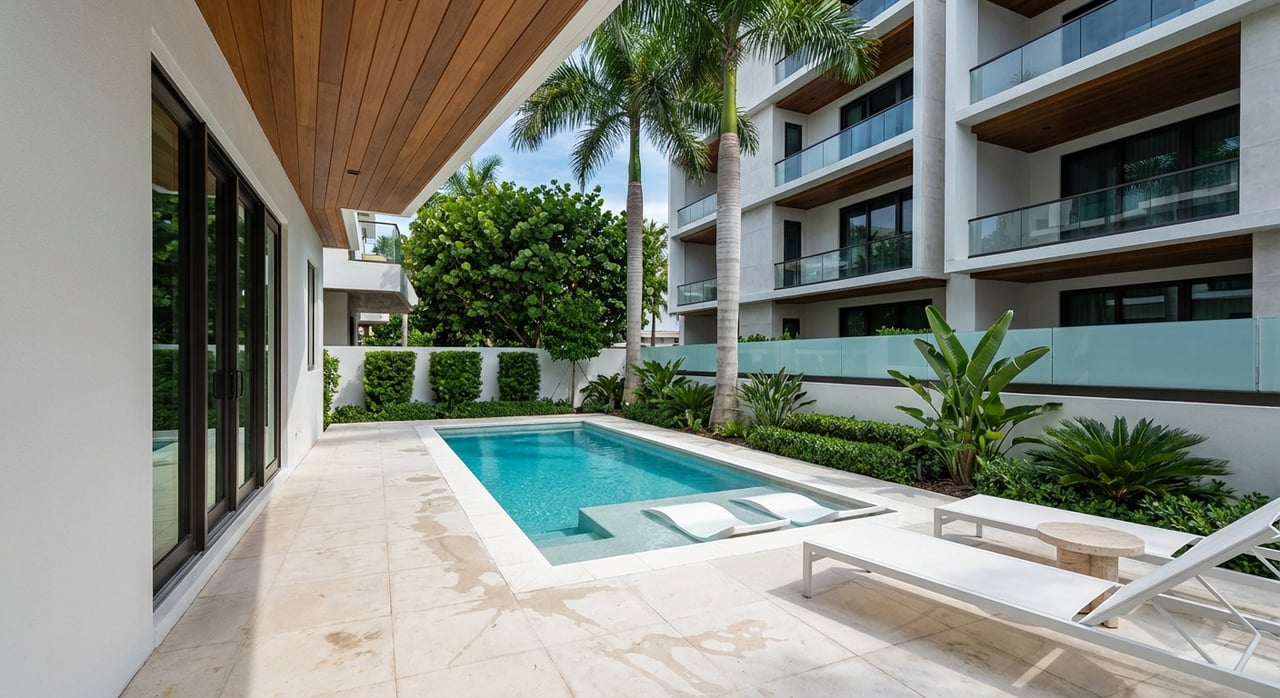
Torn between a glassy Miami Beach condo and a private single-family home on the islands? You are not alone. Both paths can deliver a great lifestyle, but the costs, rules, financing, and long-term upkeep look very different. In this guide, you will learn how prices, association rules, insurance, inspections, rental options, and resale trends compare so you can decide with confidence. Let’s dive in.
Miami Beach prices and inventory, 2025 snapshot
Miami Beach offers a broad spread of condo options, from sub-million resale buildings to luxury branded towers. Reported medians in 2024–2025 often clustered in the high five-hundreds of thousands to low-millions, depending on neighborhood and building class. Single-family homes on the Beach typically trade at several multiples of the condo median, with many island neighborhoods in the low-to-mid millions and ultra-luxury markets priced far higher. Always tag the date of any stat you use because medians shift quarter to quarter.
Across Miami-Dade, single-family median sale prices in 2024–2025 were materially higher than condos at the county level, reflecting long-running appreciation in both segments. In recent 2025 local reports, condo inventory and months of supply expanded relative to single-family, creating more options and potential negotiating leverage at many condo price points. If you want a wider choice of listings and amenities, the condo market may feel more flexible. If you value lot size and privacy, be ready for tighter inventory and a premium for the right parcel.
Ownership and control: what you actually own
Condo
You own your unit plus an undivided interest in the common elements. Daily operations, building systems, and reserves are governed by the association under Florida’s Condominium Act. Reserve policies, budgets, and disclosures directly affect your monthly dues and exposure to special assessments. Review the practical implications and ask for the building’s financials before you fall in love with the lobby. See Florida Statute Chapter 718 for the framework that guides associations.
Florida Condominium Act, Chapter 718
Single-family home
You control the structure and the land. You set the rules for your property, handle maintenance, and carry your own insurance policies unless a private HOA covers certain services. This usually means more control and more direct, variable costs compared with a condo.
Safety, milestone inspections and recertification
After the Surfside tragedy, Miami-Dade strengthened its building recertification program for multi-story buildings. Many condo and co-op properties now follow milestone inspections on a schedule, with coastal buildings often on earlier timelines and 10-year follow-ups. Single-family homes are not covered by the county’s recertification process. Before you buy a condo, confirm the building’s status and any required repairs that could trigger assessments.
- Review the county’s program details and search filings before you go to contract.
Miami-Dade building recertification portal
Monthly costs and insurance: what changes by property type
HOA or condo dues
Monthly condo dues vary by building and amenity level. Full-service towers with valet, concierge, staffed lobbies, pools, gyms, and beach service usually charge more per square foot. Older or low-service buildings may cost much less. Always request the building’s actual fee schedule and what it covers.
What dues usually include:
- Master building insurance
- Common area utilities and maintenance
- Security, janitorial, elevators
- Pool, gym, on-site management
These are costs a single-family homeowner typically pays separately, which can make condo ownership feel simpler month to month.
Flood coverage and the coastal context
Flood insurance is separate from standard hazard insurance. In many FEMA high-risk zones, lenders require flood coverage.
- Condos: Associations can carry an NFIP Residential Condominium Building Association Policy (RCBAP). Unit owners often need an HO-6 and, in some cases, separate contents or flood coverage for finishes and personal property not covered by the association policy. Review the association’s flood policy limits and what you must carry yourself.
- Single-family homes: You buy your own flood policy and set the limits for your structure and contents. Elevation, construction type, and FEMA Risk Rating 2.0 can materially affect premiums.
Use county and city flood tools to check the property’s flood zone and to anticipate lender requirements and quotes.
Miami-Dade flood zone maps and tools
Wind, hurricane deductibles and premiums
Coastal Florida policies often include separate hurricane deductibles that are a percentage of the dwelling limit. That percentage can create a high out-of-pocket amount after a named storm. Ask your insurance agent to model scenarios before you bid.
- Florida statutes call for clear disclosure of hurricane deductibles and allow common percentage options such as 2%, 5%, or 10% of Coverage A. Confirm the exact deductible in writing for any quote you receive.
Florida Statutes, Insurance Provisions, Chapter 627
Financing: why condo project reviews matter
Condo loans often involve a project-level review. If a building lacks adequate reserves, has certain types of litigation, or carries insufficient insurance, many lenders will not approve a conventional loan for a unit in that project. Government loans add their own rules.
- Conventional loans: Fannie Mae and Freddie Mac require project eligibility reviews. Confirm with your lender and agent that your target building meets the current standards before you make an offer.
- FHA loans: Only units in FHA-approved condominium projects are eligible. If the building is not on the list, you may need a different loan type or a different building.
Fannie Mae condo project review overview
FHA-approved condominium lookup
Lifestyle and amenities vs maintenance and privacy
- Condos: Less day-to-day maintenance and access to amenities like pools, gyms, and concierge services. You trade a private yard for shared spaces and building rules. Your time commitment to upkeep is low, though dues and assessments can rise over time.
- Single-family homes: More privacy, storage, and often your own outdoor space. Expect more direct responsibility for roofs, landscaping, systems, pools, and seawalls where applicable.
Ask yourself which matters more right now: services at your doorstep or full control of your property.
Renting, short-term use and Miami Beach rules
If rental income is part of your plan, confirm two layers of permission: the building’s rules and the City of Miami Beach requirements. Many associations limit or ban short-term rentals, and the city requires permits, a certificate of use, resort tax registration, and association confirmation before a unit can be used legally as a short-term rental.
Miami Beach short-term rental requirements
Resale and liquidity: what to expect
- Condos: You will often find more options at more price points and faster paths to close, especially for cash buyers. Financing and resale can get complicated if the association has low reserves, pending milestone work, or litigation. Well-run buildings with healthy reserves are easier to finance and sell.
- Single-family: Fewer transactions and greater value concentration in waterfront and unique parcels. Maintenance and insurance costs tend to be higher per property, but homes can hold unique appeal based on lot, privacy, and customization potential.
Quick decision guide
Choose a condo if you want:
- Lower daily maintenance and on-site services
- Amenities like pool, gym, valet, or beach access
- A lock-and-leave setup and potentially broader entry price bands
- Predictable common-area responsibilities managed by an association
Choose a single-family home if you want:
- Maximum control over your property and improvements
- Private outdoor space and storage
- Fewer shared rules and meetings
- Long-term customization and potential for larger-scale projects
Neutral framing to keep in mind:
- Condo equals less day-to-day maintenance with more shared costs and rules. Single-family equals more control, more maintenance, and usually higher insurance exposure on the Beach.
- Check association reserves and recertification history. A well-funded, well-managed condo is easier to finance and resell.
- If rental income matters, confirm both building rules and Miami Beach permitting before assuming short-term revenue.
- Flood and hurricane costs can materially change monthly carrying costs. Get quotes early.
Due-diligence checklist for Miami Beach buyers
Request these items early in your inspection period and review them with your agent, insurance professional, and attorney.
- Association documents: Declaration, bylaws, rules and regulations, and the current resale or estoppel package. These reveal parking, pets, leasing rules, and use restrictions. See the framework in Florida Statute Chapter 718.
- Financials and reserves: Most recent audited or reviewed financials, current budget, and the latest reserve or structural integrity reserve study. These show funding levels and potential for special assessments.
- Board minutes and litigation: Minutes from the last 6 to 12 months, plus disclosures on pending litigation or major projects. Minutes preview upcoming repairs, assessments, and community issues.
- Recertification status: Structural and electrical recertification records for buildings subject to milestone inspections. Search the county recertification portal to confirm filings and any enforcement.
- Insurance summaries: Association master policy, flood policy (RCBAP or private), and recommended HO-6 coverage. Confirm wind and hurricane deductibles and any sublimits.
- Flood zone and elevation: Use county flood tools and ask for an Elevation Certificate if in a high-risk zone. Get sample flood quotes before you finalize financing.
- Project financing eligibility: Confirm condo project eligibility for your loan type and check FHA approval if needed.
- Property taxes and homestead: Review the current tax bill and millage, and confirm if you qualify to file for homestead if making the property your primary residence.
- International buyers: If you plan a future sale, learn how FIRPTA withholding may apply and engage a CPA early.
The bottom line
If you value convenience, amenities, and a simpler daily routine, a condo can be a smart fit. If you want privacy, outdoor space, and full control, a single-family home may be worth the added maintenance and insurance responsibility. Either way, the right preparation will protect your budget and your peace of mind.
When you are ready to compare real properties, line-by-line costs, and project eligibility, connect with Oguz Elyas for a concierge consultation tailored to your goals.
FAQs
How do Miami Beach condo dues compare to single-family costs?
- Condo dues bundle master insurance and shared services like security, maintenance, and amenities. Single-family owners pay those items directly and carry their own insurance, which can be higher on coastal parcels.
What should I check about a condo building’s safety and finances?
- Verify milestone recertification status, review the reserve or structural integrity reserve study, audit financials, budget, board minutes, insurance policies, and any pending projects or litigation.
How do hurricane deductibles affect my cost in Miami Beach?
- Many policies use percentage-based hurricane deductibles that can create large out-of-pocket amounts after a named storm. Ask your insurance agent to model scenarios and confirm the exact deductible in writing.
Can I use a Miami Beach condo for short-term rentals?
- Only if both the building allows it and you meet the City of Miami Beach permit, certificate of use, and resort tax requirements. Check the city’s short-term rental guidelines before you buy.
Why might a condo be harder to finance than a house?
- Lenders review the condo project’s reserves, insurance, and legal status. If the project does not meet agency or FHA standards, many lenders will not underwrite a loan on a unit in that building.