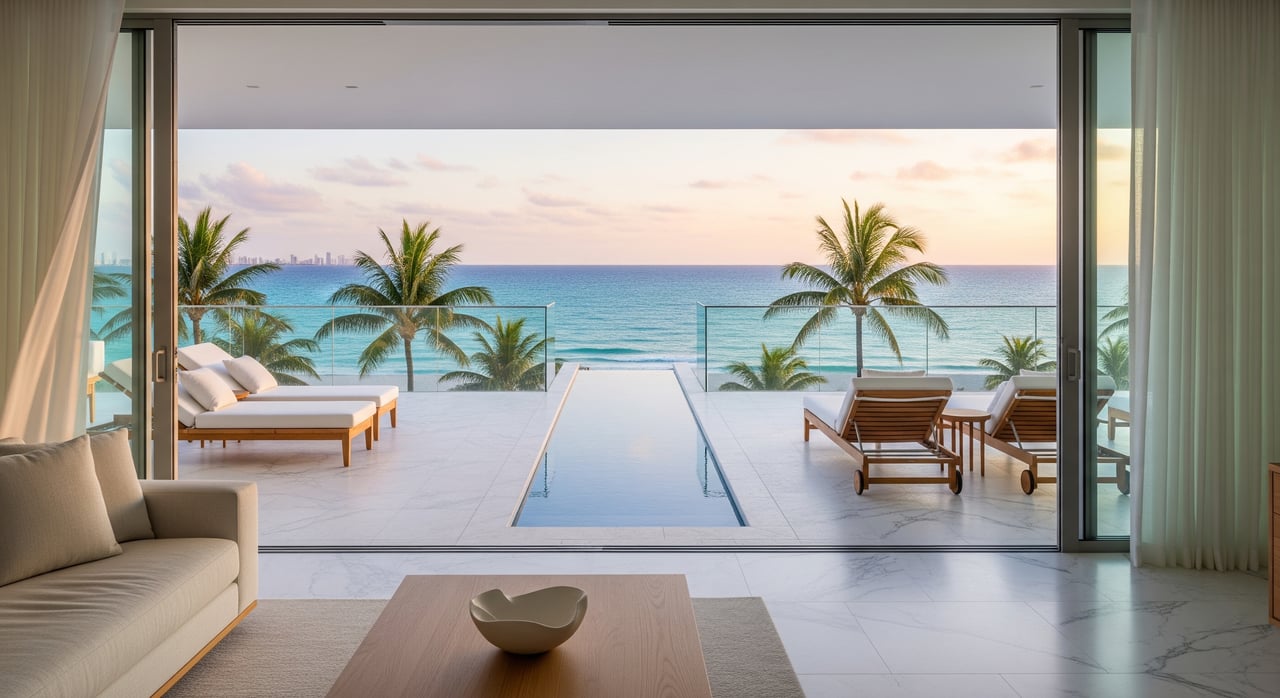
Ever wondered what it really feels like to wake up to the Atlantic and step onto the sand before your first coffee? If you’re considering an oceanfront condo or home in Miami Beach, you’re picturing sunrises, the beachwalk, and resort-style amenities just downstairs. You also want a clear picture of day-to-day life, costs, building rules, and how storms and tides factor into ownership.
In this guide, you’ll learn what daily life looks like along Miami Beach’s shoreline, how neighborhoods differ, the true cost drivers of oceanfront living, and the key due diligence steps to take before you buy. You’ll also see how local rules, insurance, and climate factors shape your experience. Let’s dive in.
Oceanfront neighborhoods at a glance
Miami Beach sits on a narrow barrier island, and each stretch of shoreline has its own rhythm.
- South Beach: Lively and walkable with a strong concentration of dining, nightlife, hotels and Art Deco architecture, especially around Ocean Drive and Collins Avenue. Expect dense condo options and a high-energy scene.
- Mid-Beach: Roughly 23rd to 63rd Streets, with a mix of older hotels, modern resort-style towers, and a calmer vibe than South Beach. Many new luxury developments rose here in the 2010s and 2020s.
- North Beach: More residential in feel, generally lower density, broader beaches, and often quieter. You tend to find a calmer beachfront experience here.
- Nearby options: Surfside and Bal Harbour just to the north offer their own regulations, buildings and market dynamics that some buyers consider alongside Miami Beach.
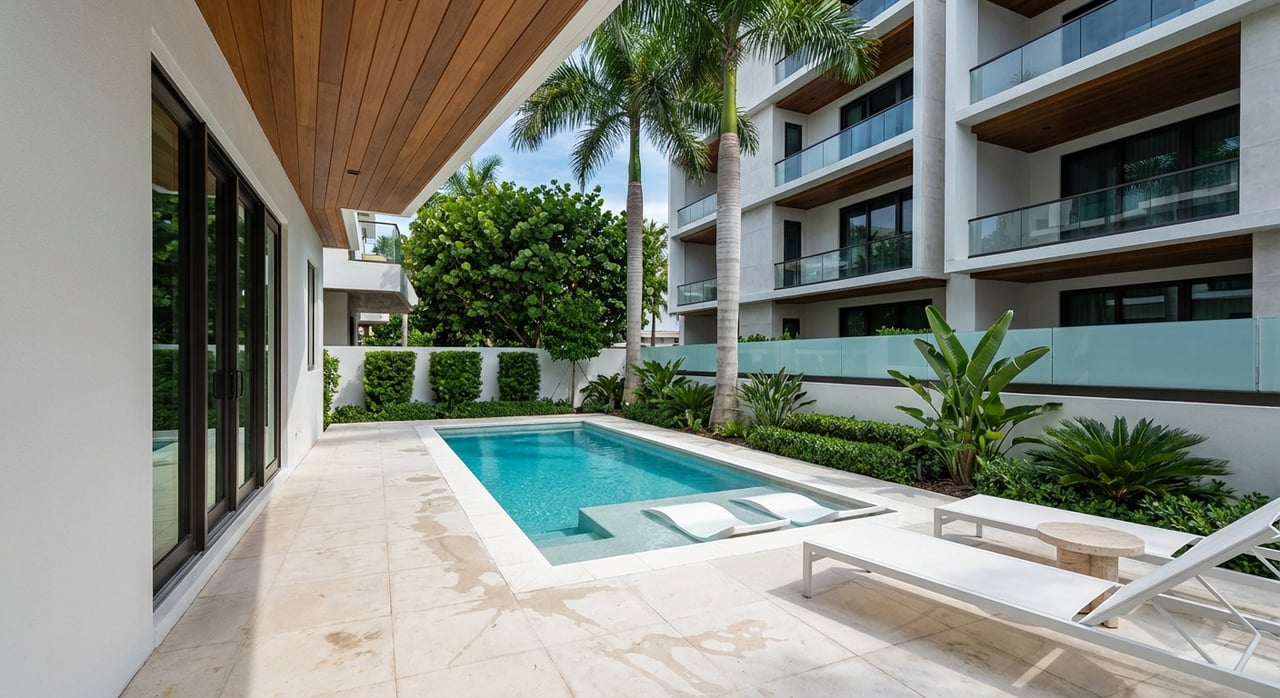
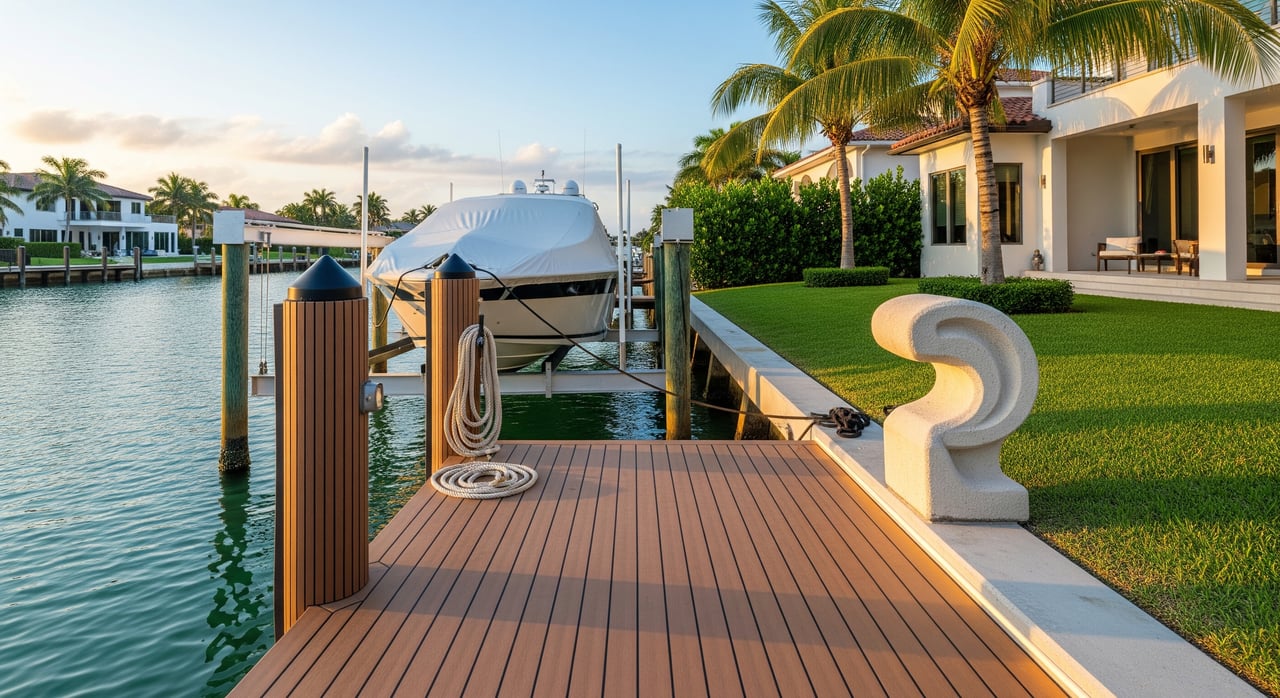
Property types range from high-rise condominium towers with extensive amenities to low-rise Art Deco and mid-century boutique buildings. True single-family oceanfront homes are less common on the ocean side and more often found in select pockets or neighboring towns. Bayfront and Intracoastal properties offer a different experience with sunset views and marina access rather than open-Atlantic frontage.
Daily life by the water
Mornings often start with the sun. You’ll see residents walking or running along the shore, biking the beachwalk, or doing yoga on the sand. Easy beach access makes short, simple routines part of your everyday life.
Midday, you can split time between building amenities and the neighborhood. Many oceanfront condos include pools, spas, fitness centers, and secured storage for boards or beach gear. Cafes, restaurants and beach clubs are easy to reach in most areas, with walkability strongest in South Beach and parts of Mid-Beach.
Evenings vary by neighborhood. South Beach stays active late with dining and nightlife, while Mid- and North Beach skew quieter. Cultural access is a year-round perk, from the Art Deco Historic District and the New World Symphony to seasonal festivals and Art Basel.
Amenities that define oceanfront living
The resort lifestyle is a big part of why buyers choose the shoreline. Common building features include:
- Private or reserved beach access, plus towel service in some higher-end towers
- Pool decks and spas with ocean views
- Fitness centers, concierge and 24/7 security
- Valet and secured parking
- Bike and board storage, plus package reception
Walkability is a major draw, with restaurants and retail close by in many parts of South Beach and Mid-Beach. Grocery access varies by neighborhood, so factor that into your short list if you want to do most errands on foot.
Crowds, events and seasonality
Miami Beach is a global destination. Crowds spike during winter high season, spring break and major events like Art Basel and Miami Art Week. South Beach sees the most street and event activity, including nightlife and traffic along Ocean Drive and Collins Avenue.
If you prefer a quieter setting, North Beach and parts of Mid-Beach often feel more residential. The tradeoff is fewer late-night options and, in some pockets, a bit more distance to dining clusters.
Condo buildings and what to look for
Oceanfront buildings vary widely by age and condition. Older Art Deco and mid-century properties can charm but may carry different maintenance needs than newer towers. In Florida, condo associations may levy special assessments for major repairs or safety compliance, and recent high-profile structural events have increased scrutiny in some buildings.
Miami-Dade requires periodic structural and electrical recertifications in older buildings, and timelines can affect sellers and buyers. Lenders may also be cautious with buildings that lack adequate reserves, have pending litigation, or a high percentage of rentals. This can impact your financing and resale flexibility.
When reviewing a building, take time to study the reserve study, recent assessments, and inspection or engineering reports. Ask about backup power for elevators and essential systems, and how the association handles storm preparation and recovery.
What it really costs to live oceanfront
Oceanfront ownership typically carries a premium. Beyond purchase price, plan for higher ongoing expenses tied to the shoreline location and amenities.
Key cost drivers to budget for:
- HOA or condo fees: Often higher than inland buildings because of salt exposure, humidity, and amenity upkeep. Contributions toward building insurance and flood mitigation can be part of the fee.
- Insurance: Wind and hurricane risk drives specific coverages and percentage-based hurricane deductibles. Oceanfront locations often fall within FEMA flood zones, which makes flood insurance a practical requirement.
- Maintenance: Salt and humidity accelerate wear on metalwork, paint, windows and outdoor fixtures. Plan for more frequent upkeep.
- Special assessments: Older buildings may assess owners for structural remediation or compliance projects. Review association documents carefully.
- Property taxes: Florida offers a homestead exemption for primary residences, which can help some owner-occupants. Second homes and investments do not receive the full benefit.
Floods, storms and living with the coast
Hurricane season runs June 1 through November 30. The main acute risks are high winds, heavy rain and storm surge. Miami Beach also experiences tidal or nuisance flooding at times, especially during king tides or storm-driven surges, which can cause intermittent street flooding even without rain.
The city has invested in resilience, including stormwater pumps, raised roads in some areas, dune restoration, and ongoing sea level rise planning. Newer construction must meet stronger wind and structural standards, and floodplain rules apply based on FEMA designations and local codes.
At the property level, practical mitigations help. Many buyers prefer units above ground or parking levels. Features like hurricane-rated windows, elevated equipment, and raised electrical panels can reduce risk. Having shutters, a plan for supplies, and knowing evacuation routes are part of seasonal readiness.
Rules that shape how you can use the property
Short-term rentals are heavily regulated in Miami Beach and many zones or buildings restrict rentals under 28 days or prohibit them entirely. Even where city rules allow, condo associations can set their own lease terms or rental ratios.
Longer-term rentals are common but still subject to association covenants, approvals and lease minimums. If you plan to offset ownership costs with rental income, verify both the city ordinance and your building’s bylaws before you buy.
Financing can hinge on building health. Lenders review association budgets, insurance coverage, reserves, and unit mix. For older buildings or those with noted structural issues, conventional lending may be limited, and buyers should plan for contingencies.
Noise, privacy and choosing your fit
Every part of the island offers tradeoffs. South Beach delivers maximum walkability and energy, but you should be comfortable with event and nightlife noise. Mid-Beach softens the pace with a mix of resorts and residences. North Beach trends quieter and more residential in feel.
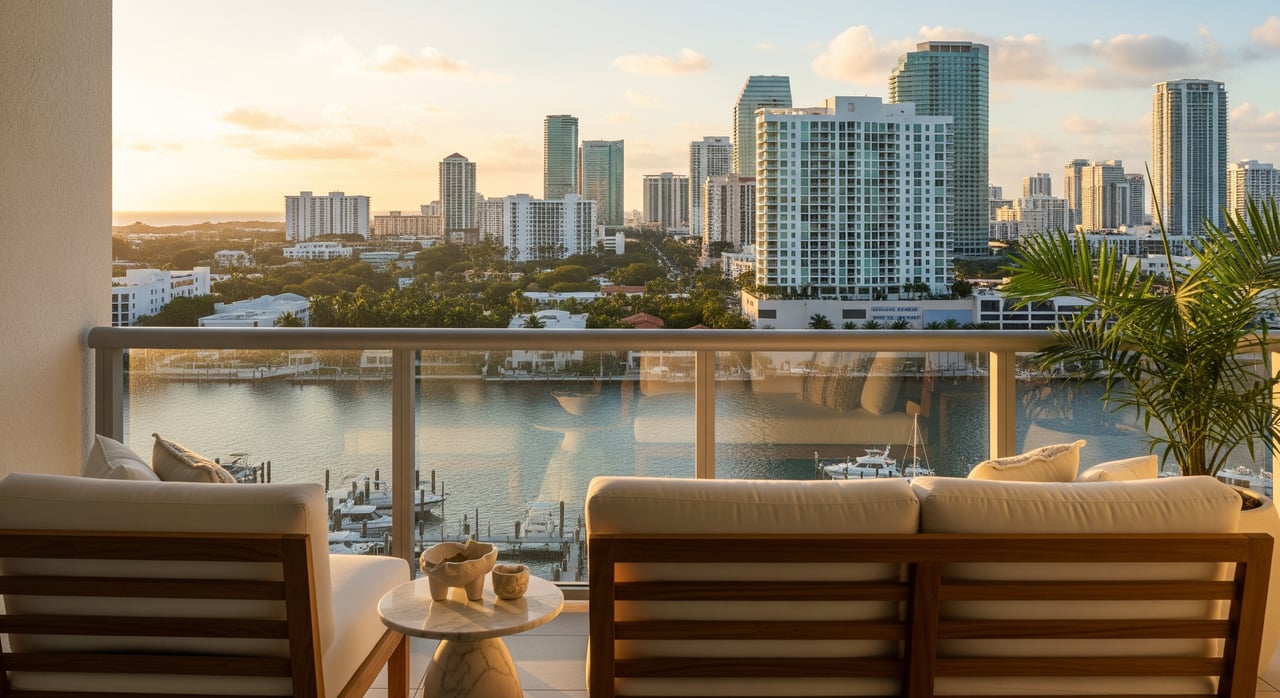
The right fit depends on your daily rhythm. Do you want to stroll to dinner and music, or do you prefer quiet evenings and broader beaches? Consider building height and orientation too. Higher floors bring wider views and some separation from street activity, while lower floors can feel more connected to the beachfront.
Use this quick decision guide:
- You want energy and walkability: Start with South of Fifth and South Beach proper.
- You want new towers and a calmer vibe: Focus on Mid-Beach.
- You want quieter, more residential surroundings: Explore North Beach, plus nearby Surfside and Bal Harbour.
- You want boating access and sunsets: Compare bayfront or Intracoastal buildings with marinas to true oceanfront.
Smart due diligence checklist
Before you make an offer, line up answers to these key questions:
- Flood risk: What is the flood zone and base flood elevation, and what mitigation is in place at the building and unit levels?
- Insurance: What will wind and flood coverage cost based on unit type and building details, and what are the hurricane deductibles?
- Building health: Are there recent reserve studies, engineering reports, or special assessments? What is the status of required recertifications for older properties?
- Power and systems: Does the building have backup generators for critical systems and reliable elevator service during outages?
- Rental rules: What do the city ordinances and condo bylaws allow, and what are the minimum lease terms or rental caps?
- Neighborhood feel: Visit at different times and seasons to check noise, parking, foot traffic and event schedules.
Market outlook and resale basics
Oceanfront properties on iconic stretches often hold demand, especially in recognized towers and walkable locations. Resale strength depends on building condition, insurance availability, rental rules and how buyers perceive climate and flood risks.
For investors and second-home buyers, demand is supported by the region’s winter season and international interest. Returns must account for HOA fees, insurance, and maintenance. If you plan to rent, confirm rules and costs in writing and factor in vacancy around seasonal events.
How a local advisor helps you win
A strong local advisor helps you separate lifestyle goals from building realities. You get guidance on neighborhoods that match your rhythm, plus early intel on association health, insurance considerations, upcoming assessments and unit-specific risks. That context can save you time and money.
You also gain access to both on-market and off-market options, new-construction opportunities, and investor-friendly searches when permitted by local rules. If you’re relocating or purchasing a second home, coordinated support and multilingual service simplify the process from first tour to closing.
Ready to explore oceanfront living in Miami Beach with clarity and confidence? Connect with Oguz Elyas for a concierge-level consultation and a tailored short list of buildings and neighborhoods that fit your lifestyle.
FAQs
What is daily life like in South Beach vs North Beach?
- South Beach offers energetic dining and nightlife with strong walkability, while North Beach is generally more residential and quieter with broader beaches.
How do HOA fees for oceanfront condos compare to inland buildings?
- Oceanfront condo fees are typically higher due to salt exposure, humidity, enhanced amenities, and contributions toward building insurance and flood mitigation.
What should I know about flood zones and insurance in Miami Beach?
- Many oceanfront properties fall within FEMA flood zones, making flood insurance practical. Wind coverage and hurricane deductibles are common in South Florida.
Can I operate an Airbnb in an oceanfront condo in Miami Beach?
- Short-term rentals are strictly regulated and often limited or banned by city ordinances and condo bylaws. Always verify both before buying.
How do building recertifications affect buyers in Miami-Dade?
- Older buildings require periodic structural and electrical recertifications. Timelines and any related work can influence financing, assessments and closing timing.