Planning a build or remodel in Miami Beach can feel like a maze. One moment you are pricing a kitchen upgrade, the next you learn that flood rules might require elevating the entire home. You are not alone if the financing choices and permitting steps seem confusing. In this guide, you will learn which loan fits your project, how the FEMA 50% Rule can change the plan, and the steps to keep lenders, permits, and budgets aligned. Let’s dive in.
Miami Beach loan options at a glance
Construction-to-Permanent (C2P). Best when you plan a new build, a teardown and rebuild, or a structural renovation that functions like new construction. You draw funds during construction and then convert to a long-term mortgage. Lenders will ask for stamped plans, a licensed contractor, builder’s risk insurance, a draw schedule, and an as-completed appraisal.
Renovation loans using after-repair value (ARV). FHA 203(k), Fannie Mae HomeStyle Renovation, and Freddie Mac CHOICERenovation finance improvements based on the home’s value after the work. They can cover cosmetic and structural work, and sometimes resiliency upgrades if allowed by program rules and local permits. You will provide contractor bids, a contingency budget, and an appraisal that reflects the finished condition.
HELOC or cash-out refinance. These are common for interior upgrades that do not trigger floodplain elevation requirements. They work well for smaller projects. If your scope risks the 50% threshold, a HELOC may not fit.
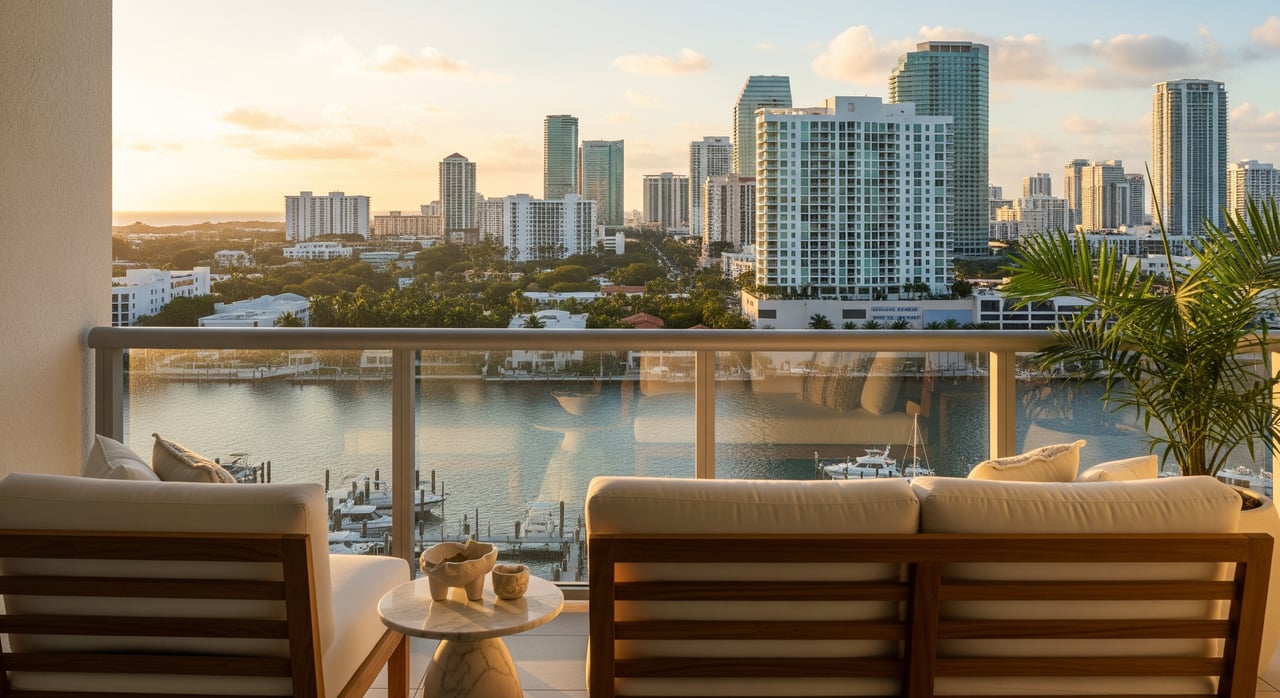
Condo and association financing. Many Miami Beach properties are condos. Common-area repairs and building envelope work are often funded by HOA special assessments or an association construction loan. Unit-level financing may require that the condo project meets specific program approvals.
Mitigation and grant programs. Some owners pair loans with public mitigation funds for elevation, floodproofing, or seawalls. Eligibility and timing vary and can affect when and how you close a loan.
Match loans to project scenarios
Full rebuild or elevation
If you are demolishing and rebuilding or must elevate to meet current flood standards, a C2P loan usually fits best. It consolidates construction financing with your long-term mortgage and underwrites to the as-completed value. Expect strict requirements in coastal V zones and higher insurance needs.
Gut renovation near 50 percent
When a renovation may cross the substantial improvement threshold, you may need a C2P or a major ARV renovation loan depending on the final scope and elevation needs. Lenders will reassess if a permit determination requires elevation, which can shift you from a renovation product to full construction financing.
Interior-only upgrades
If your work is cosmetic or systems-focused and priced well below 50 percent of the structure’s pre-improvement market value, a HELOC, cash-out refinance, or standard renovation product can be efficient. You still need clear bids and a realistic contingency. Elevation changes are usually not involved.
Condo unit updates
For permitted interior work in a unit, limited renovation loans can work if the condo meets program rules. If the building has active special assessments or major envelope work, lenders will scrutinize project reserves and approvals. Always confirm building status before you lock a loan.
Seawall or marine work
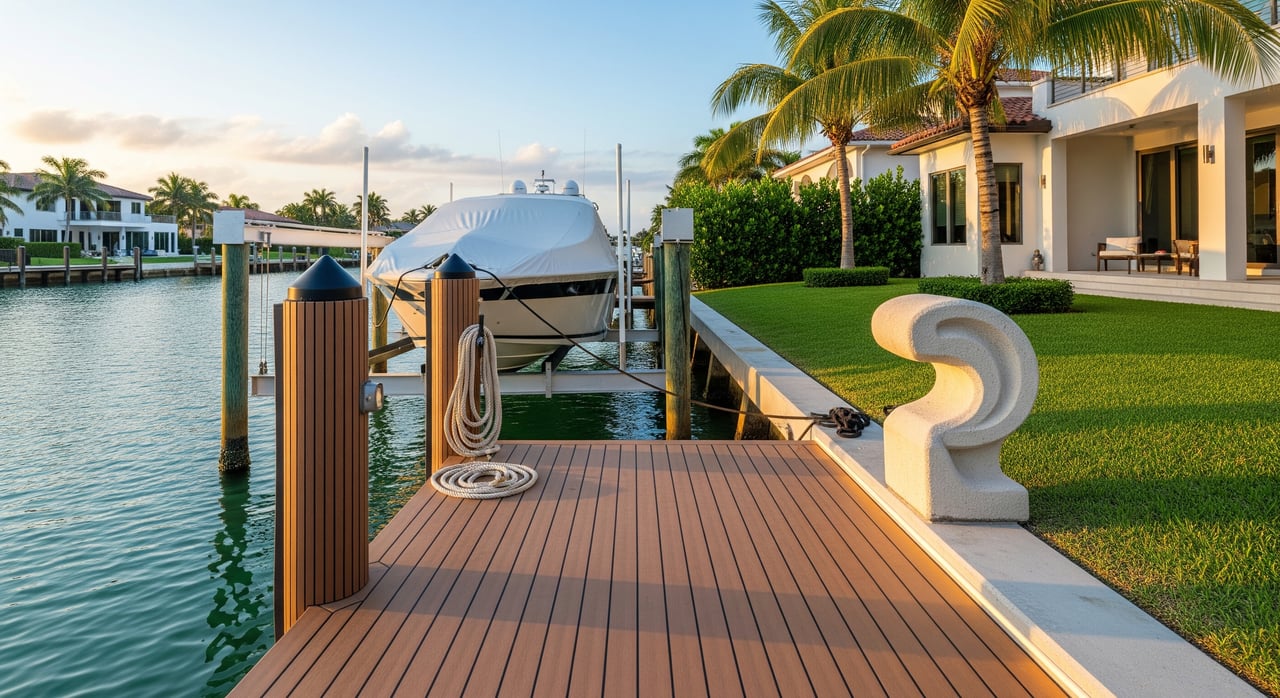
Seawall repairs and similar marine structures often require separate construction or mitigation financing. Many standard home renovation products exclude major marine elements unless bundled into a broader construction plan with proper permits.
The FEMA 50% Rule explained
What the rule is
Communities that participate in the National Flood Insurance Program apply the Substantial Improvement/Substantial Damage standard, often called the FEMA 50% Rule. If the cost to improve or repair a building equals or exceeds 50 percent of the structure’s pre-improvement market value, the work counts as substantial. That decision triggers floodplain compliance for the entire structure.
How it is calculated
The numerator is the total improvement or repair cost. That usually includes construction contract value, overhead and profit, and often permit and soft costs, depending on local practice. The denominator is the market value of the structure before improvements. Local officials, not the lender, determine how both sides are measured during permit review.
What happens if you cross it
Crossing the 50 percent threshold requires you to bring the entire structure into current floodplain compliance. In many Miami Beach areas, that means elevating to or above Base Flood Elevation and meeting coastal construction standards. Elevation and related structural work often become the largest cost driver and can change your loan type, appraisal basis, and timeline.
Miami Beach realities that change financing
Flood zones: AE vs V
Parts of Miami Beach fall in AE zones and others in V zones where wave action is a factor. V zones carry stricter building standards, such as pile foundations and breakaway walls. Insurance is typically more expensive, and some lenders limit or condition financing in these areas.
Sea-level risk and insurance
The city faces well-documented tidal flooding and long-term sea-level rise risk. Lenders and insurers often require higher coverage, stronger contingencies, and careful review of construction methods. Expect flood insurance to be a meaningful part of your ongoing cost model.
Condo associations and assessments
Condo projects manage reserves, special assessments, and large common-area repairs. Lenders need to understand building financials, any planned work, and whether program approvals are in place. If a building is addressing envelope or structural items, unit-level financing can be affected.
Seawalls and marine permits
Seawalls and docks are regulated by a mix of city, county, and state agencies. Work often needs separate permits and specialized contractors. Many homeowners finance these projects apart from interior renovations.
Permits and elevation certificates
Miami Beach and Miami-Dade enforce floodplain rules and coastal construction codes. Expect to provide an Elevation Certificate before and after construction. Lenders will tie funding to proof of compliance and will want builder’s risk insurance during active work.
Underwriting, appraisal, and budget
Appraisal and loan-to-value
Renovation loans usually underwrite to after-repair value. If a project could trigger the SI/SD determination, lenders may request both pre-improvement and as-completed appraisals. Maximum loan-to-value can be lower in high-risk flood zones or for nonstandard construction.
Contingency planning
Coastal work carries hidden costs. Include a 10 to 20 percent contingency in your budget. Model two paths: one that stays below 50 percent of pre-improvement market value, and one that exceeds it with elevation costs and longer timelines. This helps you select the right loan early and avoid re-approvals midstream.
Insurance and lender conditions
Mortgages on properties in mapped flood zones require flood insurance. Private flood policies may be acceptable if they meet lender standards. During construction, builder’s risk coverage is required, and draws will be tied to inspections and permit milestones.
Contractor, draws, and inspections
Choose licensed, insured contractors who have coastal and floodplain experience. Lenders will inspect before each draw. Delays in permits or inspections can hold up funding, so make sure your contractor’s schedule aligns with the draw calendar.
Step-by-step game plan
- Confirm local rules. Ask the City of Miami Beach Building Department or Miami-Dade floodplain office how they calculate substantial improvement and whether assessed value or a market appraisal will be used.
- Order an Elevation Certificate. Know your flood zone and Base Flood Elevation before you finalize scope.
- Get a pre-improvement appraisal. Establish the denominator for the 50 percent test and support permit discussions.
- Split your bids. Ask contractors to separate structural and elevation items from interior work to see where you stand against the 50 percent threshold.
- Compare loan products early. Discuss C2P versus ARV renovation loans, plus HELOC or cash-out options for smaller projects. Confirm program rules for condos and V zones.
- Price insurance. Obtain quotes for flood and builder’s risk so you can calculate total carrying costs.
- Set contingencies and timeline. Add 10 to 20 percent to your budget and pad the schedule for coastal permits and inspections.
- Review condo factors. If applicable, verify reserves, special assessments, and project approvals before you choose a loan.
Sample timelines by scenario
Interior remodel below 50 percent
- Weeks 1–3: Appraisal, EC ordered, contractor bids finalized, renovation loan or HELOC selected.
- Weeks 4–8: Permits, loan approval with ARV appraisal, first draw. Work begins.
- Weeks 9–16: Progress draws and inspections, project wrap, final inspection, loan conversion if applicable.
Gut renovation likely above 50 percent
- Weeks 1–4: Pre-improvement appraisal, EC, preliminary SI/SD review with city.
- Weeks 5–10: C2P underwriting with as-completed appraisal, final plans and permits, builder’s risk in place.
- Weeks 11–28: Elevation and structural work, draw inspections, updated EC, conversion to permanent mortgage at completion.
Seawall repair plus minor interior work
- Weeks 1–6: Marine permits and contractor selection, separate construction financing if needed.
- Weeks 7–16: Seawall work and inspections. Interior updates may proceed under a small renovation loan or HELOC if allowed by permits and scope.
Putting it all together
Choosing the right loan starts with the scope, your flood zone, and whether the 50 percent threshold will be triggered. If elevation is likely, plan on a C2P loan and an as-completed appraisal. If you can keep scope below the threshold, ARV renovation loans or a HELOC can be faster and simpler. For condos, factor in the association’s financial health, reserves, and any active special assessments. A clear plan, the right lender, and a contractor with coastal experience will save time and reduce surprises.
Ready to map your project finance to your permit path and timeline? Connect with a local advisor who understands Miami Beach floodplain rules, coastal construction, and condo dynamics so you can move forward with confidence and a realistic budget.
If you want a personalized roadmap for your Miami Beach project, schedule a quick call. We will help you compare financing paths, line up the right lender, and coordinate the steps so you can start on the strongest footing. Connect with Unknown Company to Schedule a Free Consultation.
FAQs
What is the FEMA 50% Rule in Miami Beach?
- It is the local application of the NFIP substantial improvement/damage standard. If your permitted work equals or exceeds 50 percent of the building’s pre-improvement market value, you must bring the entire structure into today’s floodplain compliance, often including elevation.
Which loan fits a full rebuild or elevation?
- A Construction-to-Permanent loan is typically the best fit because it finances construction draws and converts to a long-term mortgage based on the as-completed value and code-compliant elevation.
Can I use a HELOC for a remodel in a flood zone?
- Yes for smaller, interior-only projects that stay below the 50 percent threshold. If you approach or exceed that level, lenders may require a renovation or construction loan instead.
How do condos handle big building repairs?
- Common-area and envelope projects are often funded through HOA special assessments or association construction loans. Unit-level financing depends on program approvals, reserves, and the building’s financial status.
What documents do lenders usually require for renovation or construction loans?
- Expect architect or engineer plans, contractor licenses and bids, builder’s risk insurance, a construction schedule with draws, and an appraisal that reflects the after-repair or as-completed value.
How long do permits and financing take in Miami Beach?
- Interior remodels can move in a few weeks once bids and appraisals are set. Projects with elevation or marine work take longer due to floodplain reviews, coastal permits, and additional inspections, so plan extra time and budget contingencies.