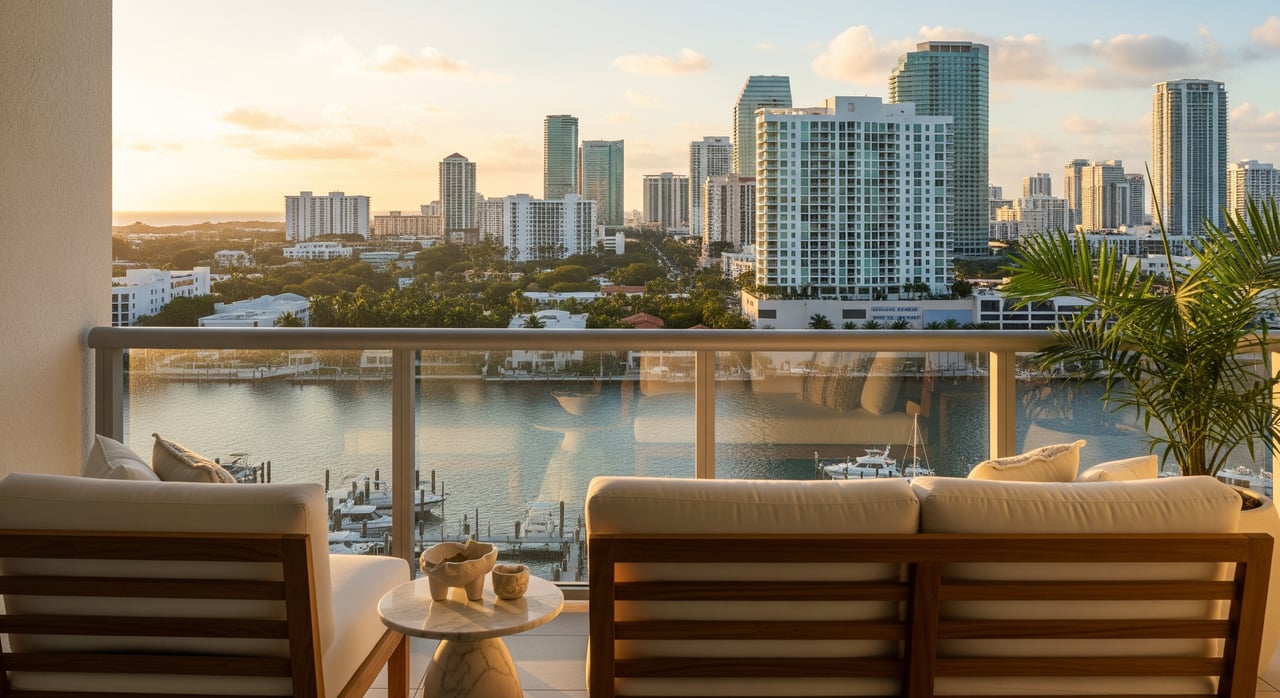
Eyeing a Brickell condo with a surprisingly low HOA fee? It may look like a deal, but it could hide a costly special assessment. If you want skyline views and resort-style amenities without surprise bills, a little homework goes a long way. In this guide, you will learn what condo assessments are, how they happen in Brickell, which documents to request, how to read them, and the red flags to watch. Let’s dive in.
Assessments, reserves, and budgets
A special assessment is a non-routine charge that the association bills owners to cover costs not funded in the regular budget or reserves. Common examples include major repairs, large insurance deductibles, or urgent structural work.
The reserve fund is money the association sets aside for future replacements and major repairs such as roofs, elevators, waterproofing, and façade work. A reserve study is an engineering and financial plan that lists building components, their remaining life, replacement costs, and a recommended funding schedule.
The operating budget covers everyday expenses like management, utilities, maintenance, and insurance premiums. In Brickell, a low monthly fee can sometimes signal underfunded reserves. That can mean a large assessment shortly after you close.
Brickell factors that drive costs
Many Brickell towers were built between the 1980s and 2000s. Age plus coastal exposure raises the chance of major capital work like concrete, balcony, and waterproofing projects.
Inspections and recertification requirements in Miami-Dade can trigger repairs with tight timelines. After the 2021 Champlain Towers South collapse, scrutiny increased across South Florida, which can lead to more engineering work and compliance costs.
Florida’s insurance market has been volatile. Rising master policy premiums and hurricane deductibles, often set as a percentage of insured value, can push associations to raise monthly fees or levy assessments. Litigation and luxury amenities also add risk. Legal disputes and the upkeep of pools, spas, valet operations, and complex mechanical systems can strain budgets.
Documents to request before you offer
Ask for these items before you submit an offer, or make them a contingency. For larger associations, allow 7 to 14 days for records.
- Current year operating budget and the prior 1 to 2 years of budgets, including actuals versus budgeted amounts.
- Most recent reserve study and any engineer updates.
- Current reserve balance and the schedule of planned capital projects.
- Two to three years of financial statements and recent bank statements for reserve and operating accounts.
- Meeting minutes for the past 12 to 24 months, board and membership.
- List of pending or recent special assessments, plus notices and the voting record.
- Master insurance policy declarations, including hurricane or wind deductible structure and limits.
- Estoppel letter and any pending liens or judgments against the unit or association.
- Engineering and inspection reports, permit history, and contractor bids for large projects.
- Condominium declaration, bylaws, rules, and assessment voting thresholds.
How to read the documents
Budget and reserves
Compare reserve contributions in the budget to the current reserve balance. A near-zero reserve balance paired with minimal contributions is a red flag, especially if the building has near-term capital needs.
Check whether monthly fees have kept pace with insurance, utilities, and maintenance. Sudden budget jumps can signal rising costs that may not be fully covered by reserves.
Reserve study
Confirm that the study lists components, remaining life, and replacement costs. Look at the recommended funding schedule and whether the association is following it. Note the study date. Old studies can be stale and may not reflect current costs.
Minutes and engineering reports
Read minutes for repeated mentions of deferred maintenance, delays in obtaining bids, citations, or repair orders. Look for votes on special assessments and discussions of reserve shortfalls or insurance issues.
Engineering reports and permit records help you verify scope and timelines. If major work is identified, ask for bids and phasing plans.
Insurance declarations
Focus on how deductibles are structured. In Florida, it is common for hurricane deductibles to be a percentage of the insured value. That can create large association-level costs after a storm, which may lead to assessments.
Review coverage limits and any noted gaps. Minutes may mention insurer changes or premium spikes that are not obvious in the declarations page.
Estoppel and legal backdrop
Florida’s Condominium Act (Chapter 718) governs associations, records access, and many procedures. The estoppel letter confirms what the seller owes, whether assessments are pending, and what amounts, if any, will survive closing. Lenders and buyers rely on this document.
Review the condo documents for voting thresholds and how assessments are allocated among owners. Some buildings use percentage interest. Others may use a different formula stated in the governing documents.
Quick math for your exposure
Use simple estimates to test affordability before you commit.
- Potential assessment share: Take the total project cost and multiply by your unit’s percentage interest or stated allocation. Ask the manager for the allocation method if unclear.
- Monthly impact: If the association allows installment payments, divide your estimated share by the number of months to get a rough monthly cost. Add that to your housing payment, taxes, and HOA fee.
- Reserve sufficiency: Compare current reserves to near-term needs listed in the reserve study. If several big items are due in 1 to 5 years and reserves are thin, assume a higher chance of an assessment.
Common Brickell red flags
- Reserve balance near zero while major components are due soon per the reserve study.
- Repeated emergency or special assessments in recent years without a long-term funding plan.
- Minutes show repeated delays, failure to obtain bids, or unresolved citations.
- Insurance structure relies on high percentage deductibles or shows gaps in wind or hurricane coverage.
- Litigation involving the association with unclear financial exposure.
- Frequent management turnover or board instability that can slow planning.
Smart questions to ask
- What is the current reserve balance and which major projects are scheduled in the next 1 to 5 years, with cost estimates?
- When was the last reserve study completed and is the association following the funding recommendations? When is the next update planned?
- Are there pending structural or recertification issues, required timelines, or orders from Miami-Dade or engineers?
- How have insurance premiums or deductibles changed recently, and what is the plan to handle increases?
- Are any special assessments approved or under discussion, and what vote is required to pass them?
- How are assessments allocated among owners? Percentage interest or another method?
- Are there active or recent lawsuits affecting the association, and what is the likely financial impact?
Buyer checklist for Brickell condos
- Make your offer contingent on receiving the budget, reserve study, financials, 12 to 24 months of minutes, insurance declarations, assessment list, engineering reports, and an estoppel.
- Ask the seller and agent to disclose any assessments discussed in meetings. Verify against minutes.
- Have a Florida real estate attorney review HOA documents, voting thresholds, and estoppel details.
- Run numbers with a conservative assessment contingency in your affordability plan and lender pre-approval.
- Check Miami-Dade permit and recertification records for open violations and inspection history.
- If the building is older or minutes point to major work, consider a buyer-paid engineering review of available reports.
- Confirm in writing who pays any outstanding assessments at closing.
Final thoughts
Buying a Brickell condo is about more than the view and amenities. It is also about the building’s financial health and plan for long-term maintenance. With the right documents and a clear reading of reserves, insurance, and minutes, you can avoid surprises and choose a building that fits your budget and risk comfort.
If you want a second set of eyes on the documents, or you need help comparing buildings, reach out. Oguz Elyas offers boutique, concierge-level guidance to navigate Brickell’s condo market with confidence.
FAQs
What is a Brickell condo special assessment and who approves it?
- A special assessment is a non-routine charge for costs not covered by the budget or reserves, and approval follows the building’s governing documents and Florida law.
Why can low HOA fees be a warning sign for Brickell buyers?
- Low fees can mean reserves are underfunded, which increases the chance of a near-term special assessment to cover major repairs or insurance costs.
What should I look for in a reserve study before buying?
- Check component lists, remaining life, replacement costs, the recommended funding schedule, and whether the association is following that plan.
How do Miami-Dade recertifications affect condo buyers?
- Recertification inspections can require repairs with deadlines, which may lead to higher fees or special assessments if reserves are insufficient.
How do hurricane deductibles impact owners in Brickell buildings?
- Deductibles are often a percentage of insured value, so storm events can create large association-level costs that may be passed to owners.
What does an estoppel letter confirm for a buyer?
- It confirms the seller’s dues status, any pending assessments or liens, and amounts that could survive closing, which lenders and buyers rely on.